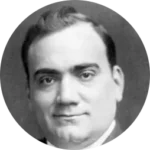

Giacomo Puccini (1858–1924) was an Italian composer renowned for his operas, many of which are among the most frequently performed works in the operatic repertoire. He is celebrated for his ability to combine dramatic intensity with lyrical beauty, creating operas that remain beloved for their emotional depth and memorable melodies.
Key Points About Puccini:
Birthplace: Puccini was born in Lucca, Tuscany, into a family with a long tradition of church music. However, he pursued a career in opera rather than sacred music.
Musical Style: He is often associated with verismo (realism), an operatic style that emphasizes realistic narratives and human emotion. His music blends lush, expressive melodies with sophisticated orchestration.
Famous Works:
La Bohème (1896): A poignant story about young bohemians in Paris, filled with romance and tragedy.
Tosca (1900): A dramatic tale of love, betrayal, and political intrigue.
Madama Butterfly (1904): A heart-wrenching story of love and cultural clash set in Japan.
Turandot (unfinished, completed by Franco Alfano in 1926): A grand and exotic opera featuring the famous aria “Nessun Dorma.”
Legacy: Puccini is often referred to as one of the “greatest opera composers of all time.” His works are celebrated for their timeless appeal and are regularly performed worldwide.
Death: Puccini died of complications from throat cancer in Brussels in 1924. His final opera, Turandot, was left incomplete at his death.
Interesting Facts:
Puccini was an innovator in using leitmotifs (recurring musical themes associated with specific characters or ideas), much like Wagner, though his approach was more subtle and emotionally driven.
He faced criticism during his lifetime for some of his works’ sentimentality, but these very qualities contributed to their enduring popularity.
« Back to Glossary Index